


The Stress Escape Collection
Three practical guides to help you calm your mind, strengthen your resilience, and navigate life's challenges with confidence.
Digital Guides
The Stress Escape Collection
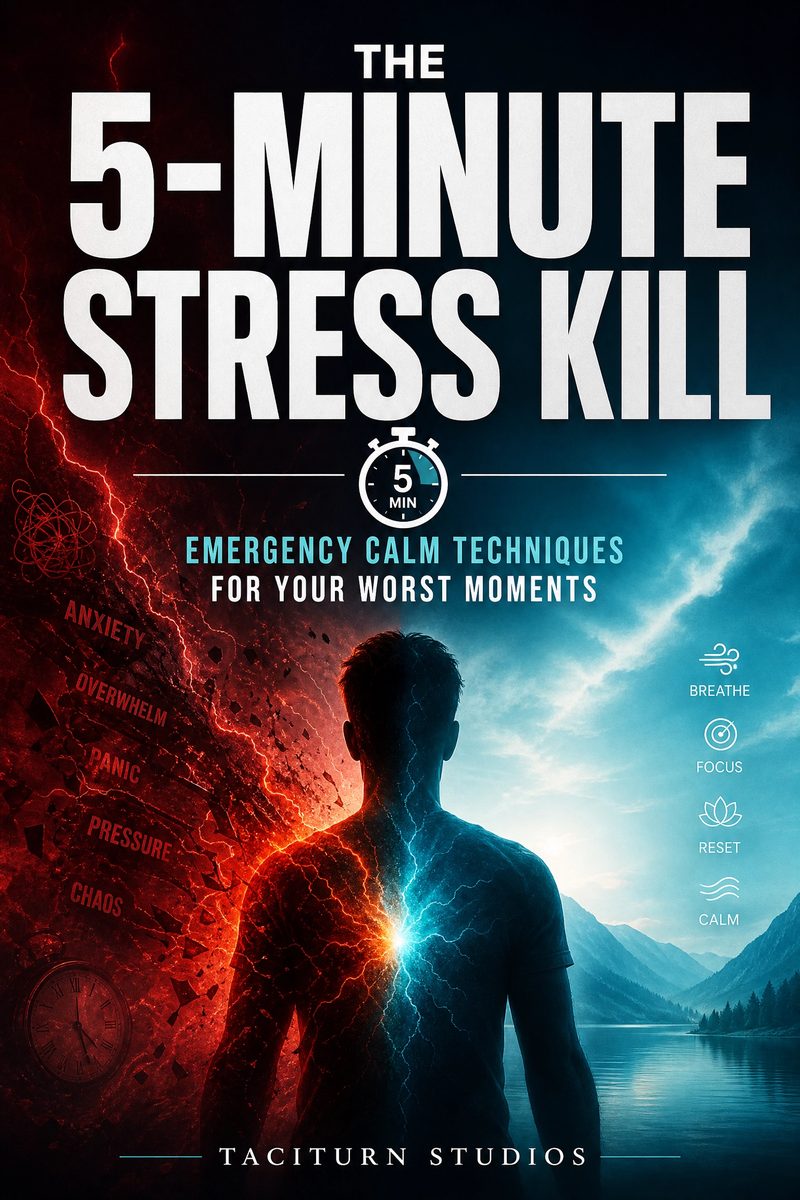
The 5-Minute Stress Kill
The 5-Minute Stress Kill
$7.99
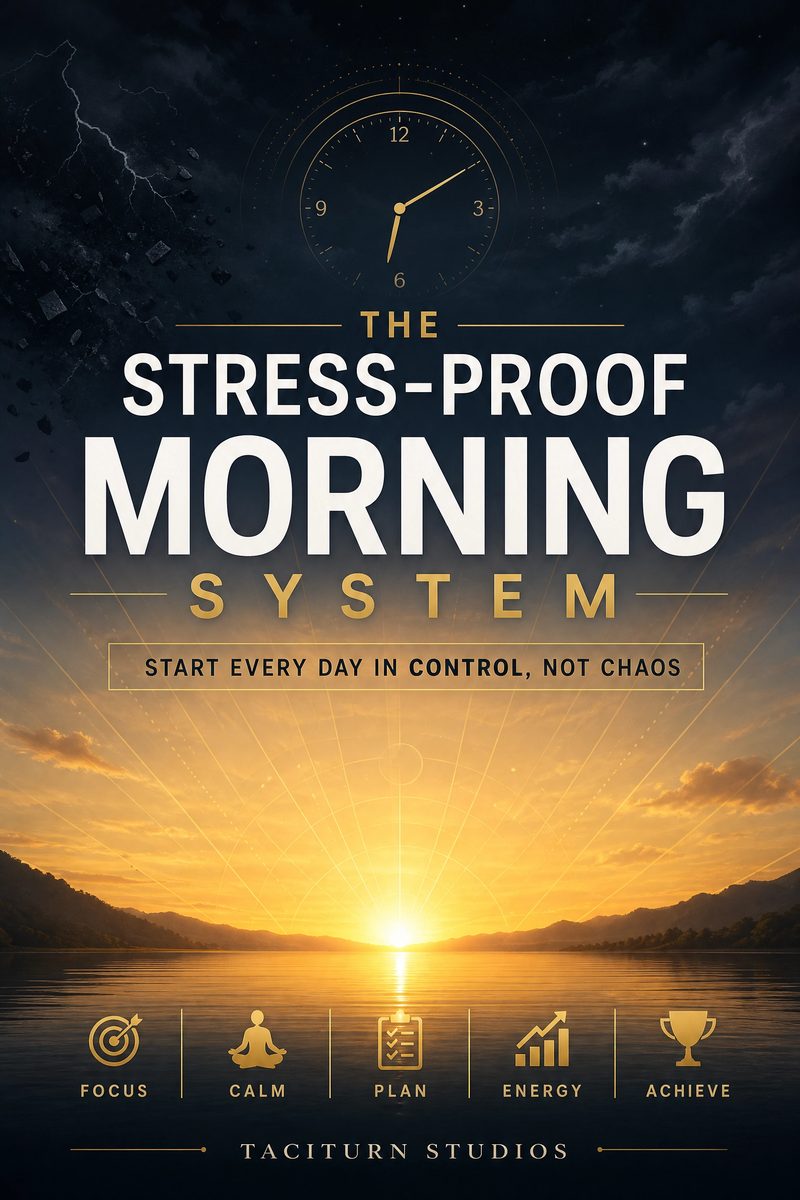
The Stress-Proof Morning System
The Stress-Proof Morning System
$7.99
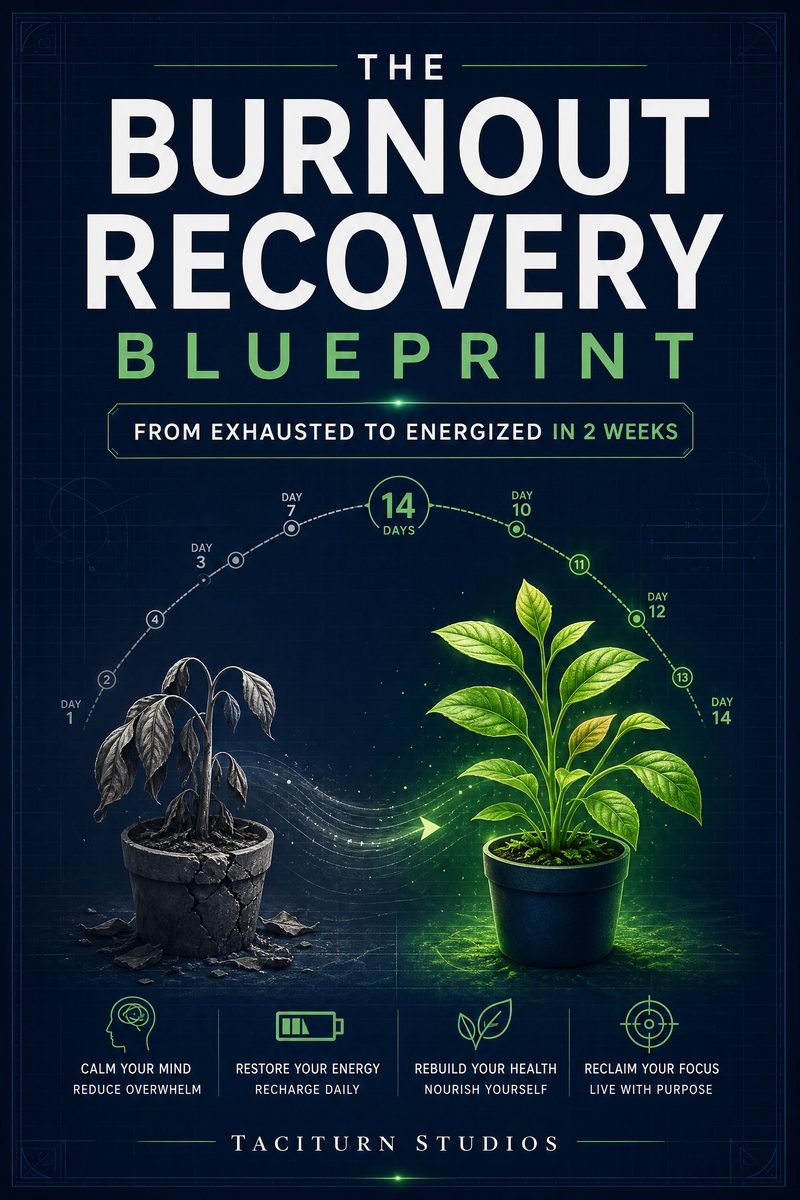
The Burnout Recovery Blueprint
The Burnout Recovery Blueprint
$7.99
Helpful Resource
Are you burning out?
Take our 10-question Burnout Assessment Quiz and get a personalised stress score with tailored recovery recommendations — in under 3 minutes.

Example quiz result
Moderate — a starting point
Our Editorial Approach
What You Can Expect
Practical guidance
We focus on small, concrete stress-management practices that readers can evaluate and adapt to their own lives.
Clear boundaries
Our resources are educational. They do not replace personalised care from a qualified healthcare or mental-health professional.
Transparent recommendations
When a resource includes an affiliate link, we disclose that relationship and separate editorial guidance from commercial offers.

Free Audio Program
15-Session Stress Relief Audio Program
Guided meditations, CBT exercises, and sleep stories — enter your email for instant access, completely free.
No spam. Unsubscribe anytime.
Stay in the loop
Get our best content delivered weekly. No spam, ever.
What you will find here
StressControllingTips publishes practical, research-backed articles on managing stress in ordinary life: how breathing affects the nervous system, why sleep comes first in recovery, how burnout develops slowly, and what workplace research says actually helps. Each article explains the technique, what the evidence does and does not show, and where self-help stops and professional support should start.
Start with the evidence
Some of the most useful techniques are also the simplest. A 2023 randomized study by Melis Yilmaz Balban and colleagues at Stanford, published in Cell Reports Medicine, found that five minutes a day of cyclic sighing (two inhales through the nose and a long exhale through the mouth) improved mood more than mindfulness meditation over a month. The World Health Organization describes burnout as an occupational phenomenon with three features: exhaustion, mental distance from work, and reduced effectiveness. Our articles build on findings like these and link to the original sources.
How to use the site
If you are not sure where to begin, take the free burnout quiz to see which areas are under strain, then read the matching articles on the blog. The glossary explains terms such as cortisol, the vagus nerve and allostatic load. If you want a printable, structured plan, the shop has three short guides.
Our boundaries
This is an educational site. It does not diagnose or treat any condition. If stress is affecting your sleep, appetite, mood or safety for more than a couple of weeks, talk to a doctor or licensed therapist. In the United States you can call or text 988 at any time.
Why small practices matter
Most stress advice fails because it asks for too much at once. The approach here is to pick one small, specific practice, such as a two-minute breathing count before a stressful call or a fixed time to stop checking email, and to try it for two weeks before judging it.
Latest topics
Recent articles cover the 4-7-8 breathing count, the cortisol ceiling idea, burnout drift, workplace stress in 2026 and why recovery starts with sleep. New pieces are added regularly and older ones are reviewed when new research appears.